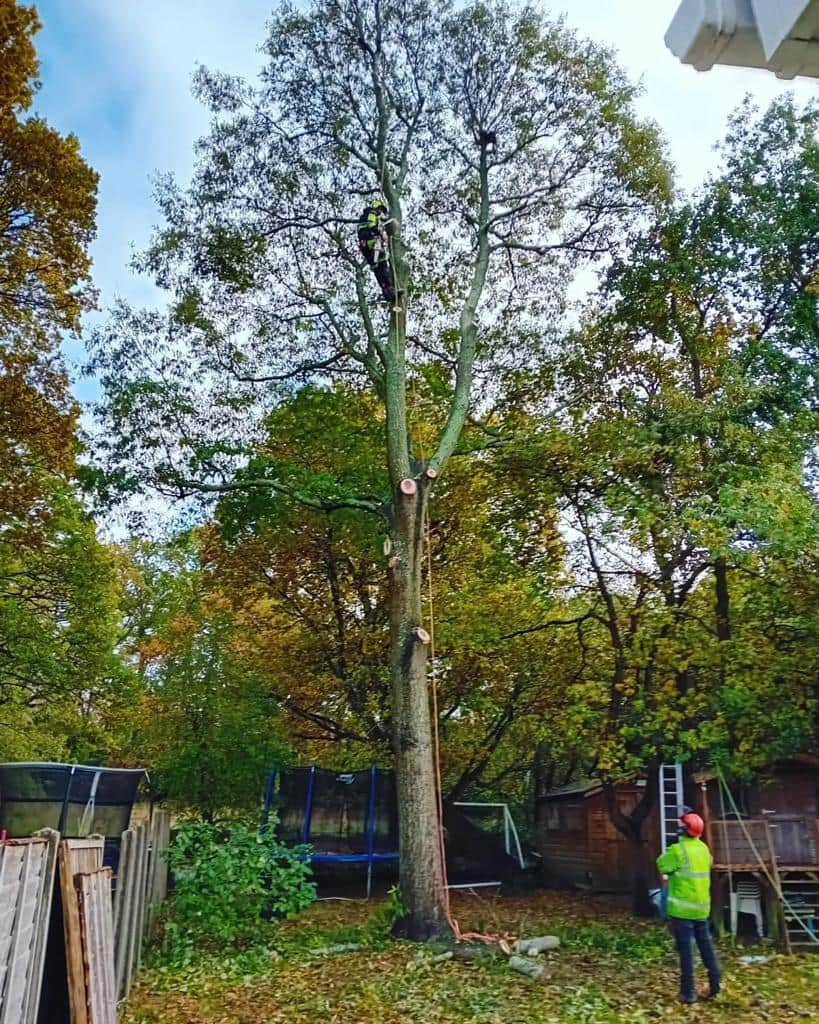
Trees can provide shade, privacy, seasonal interest and valuable structure within a garden. However, they are living organisms that continually grow and respond to weather, disease, damage and changes in their surroundings. Without appropriate care, a tree can become overcrowded, unbalanced or difficult to manage.
Professional tree surgery is not limited to removing dangerous trees. It can also improve tree health, maintain suitable clearance and prevent developing issues from becoming more serious. For homeowners in Banstead, Surrey, understanding the common reasons for arranging tree surgery can make it easier to recognise when specialist attention is needed.
Common Reasons for Arranging Professional Tree Surgery
The right course of action depends on the tree species, age, condition and location. A professional assessment should consider the whole tree before recommending pruning, crown work, deadwood removal, sectional dismantling or felling.
Branches Have Become Overgrown
Healthy trees can produce significant growth, particularly when they have not been maintained for several years. Branches may begin to extend across gardens, paths, driveways or neighbouring structures.
Selective pruning can remove or shorten unsuitable growth while retaining the tree’s natural shape. The aim is to create appropriate clearance without taking away more living material than necessary.
The Crown Is Too Large or Unbalanced
A tree crown can become disproportionately large for its setting or develop unevenly because of restricted light, previous pruning or branch loss. This may place additional strain on certain limbs and make the tree appear poorly balanced.
Crown reduction can decrease the height or spread of the canopy while maintaining a natural outline. The cuts must be carefully positioned because excessive or indiscriminate pruning can encourage weak regrowth and reduce the tree’s ability to recover.
Dead or Damaged Branches Are Present
Branches can die because of age, shading, disease, storm damage or physical injury. Deadwood may become brittle and detach without much warning, particularly during windy conditions.
Professional deadwood removal helps manage this risk while allowing healthy parts of the tree to remain. Damaged branches should also be assessed for cracks, splits and weak attachment points before deciding whether they can be retained.
Branches Are Too Close to a Building
Tree growth near a property can eventually bring branches into contact with roofs, gutters, windows and external walls. Repeated movement may scrape surfaces, dislodge roofing materials or obstruct drainage.
Careful pruning can provide suitable separation while preserving the tree’s form. Simply cutting every branch back to the same point can leave poor structure and lead to dense, weak regrowth.
The Tree Is Blocking Too Much Light
A dense or overextended canopy can significantly reduce the light reaching a house or garden. The correct response is not always extensive cutting.
Depending on the tree, crown thinning, selective pruning or a proportionate crown reduction may allow more light through the canopy. Professional advice is important because unsuitable work can leave the tree exposed, unbalanced or vulnerable to damage.
Storms Have Caused Visible Damage
Strong winds and heavy rain can break limbs, open existing cracks or leave branches hanging within the crown. A tree may also develop a noticeable lean or show movement around its base.
Signs requiring prompt assessment include:
- Split or partially detached branches
- Fresh cracks in major limbs
- Hanging branches caught in the canopy
- Exposed or disturbed roots
- Sudden changes in the tree’s angle
- Significant branch loss on one side
- Damage close to buildings or access routes
Storm-damaged trees should be inspected from a safe distance until their condition is understood.
The Tree Is Showing Signs of Decline
Reduced leaf growth, thinning foliage, dying branches and unusual fungal growth can indicate that a tree is under stress. Bark damage, cavities and changes around the base may also deserve attention.
Not every symptom means that the tree must be removed. Appropriate pruning may reduce stress or remove affected material, but the underlying cause should be identified before any work begins.
Several Trees Are Competing for Space
Trees planted too closely together may compete for light, water and growing room. Their crowns can become crowded, while individual trees may develop one-sided or suppressed growth.
Selective pruning can sometimes improve spacing and structure. Where competition is severe, removing one tree may allow the remaining specimens to develop more successfully.
A Tree Has Outgrown Its Location
Some trees eventually become unsuitable for the space in which they were planted. Their crowns may dominate a small garden, restrict access or repeatedly interfere with nearby features.
Tree surgery can often manage the size for a period, but repeated heavy pruning is not always appropriate. A professional assessment can determine whether careful management remains practical or whether removal should be considered.
A Stump Is Preventing the Garden from Being Reused
After felling, the remaining stump can obstruct landscaping, mowing, planting or the creation of a new usable area. It may also produce shoots, depending on the species and condition.
Stump grinding reduces the stump below ground level and leaves the area easier to reinstate. The required grinding depth should reflect how the space will be used afterwards.
Why Professional Assessment Matters
Tree surgery should respond to a clearly identified need rather than rely on unnecessary cutting. Different species react differently to pruning, and the position of each cut can influence future growth.
A professional tree surgeon can assess the tree’s health, structure and surroundings before recommending proportionate work. This helps retain healthy growth, create a balanced result and avoid damage caused by unsuitable techniques.
Conclusion
Homeowners commonly need tree surgery because of overgrown branches, deadwood, storm damage, excessive crown size, reduced light or interference with buildings and garden features. Early assessment often provides more options for managing a tree before the problem becomes severe.
NS Tree Surgery Banstead provides professional tree surgery in Banstead, Surrey. If a tree on your property has become damaged, overgrown or difficult to manage, contact the team to arrange an assessment and discuss the most appropriate work.
Call us on: 01737 303 494
Click here to find out more about NS Tree Surgery Banstead
Click here to complete our contact form and see how we can help with your trees needs